Setting Up Safe and Secure Temporary Structures for Large Events
Sep 30, 2025
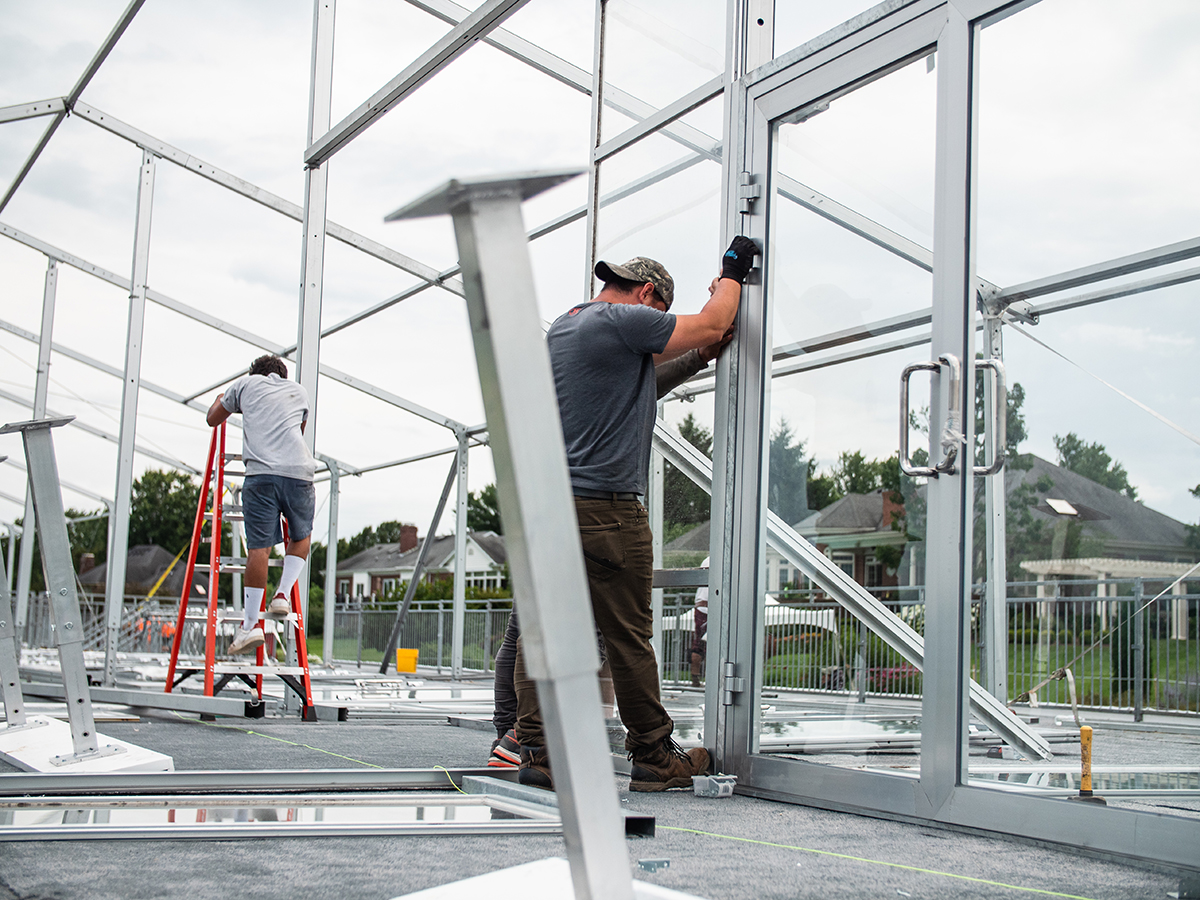
When it comes to hosting large events, whether it’s a festival, concert, or corporate gathering, ensuring the safety and stability of your temporary structures is crucial. From tents to stages, every component plays a role in creating a secure and comfortable experience for your guests.
Understanding the Basics of Tent Safety
Tent safety starts with choosing the right equipment and following installation best practices. Factors such as weather conditions, ground type, and tent size all influence the stability of a structure. High-quality tents, like those available through professional rental services, are designed to withstand various challenges, making them a reliable choice for events of any scale.
Choosing the Right Tent Type
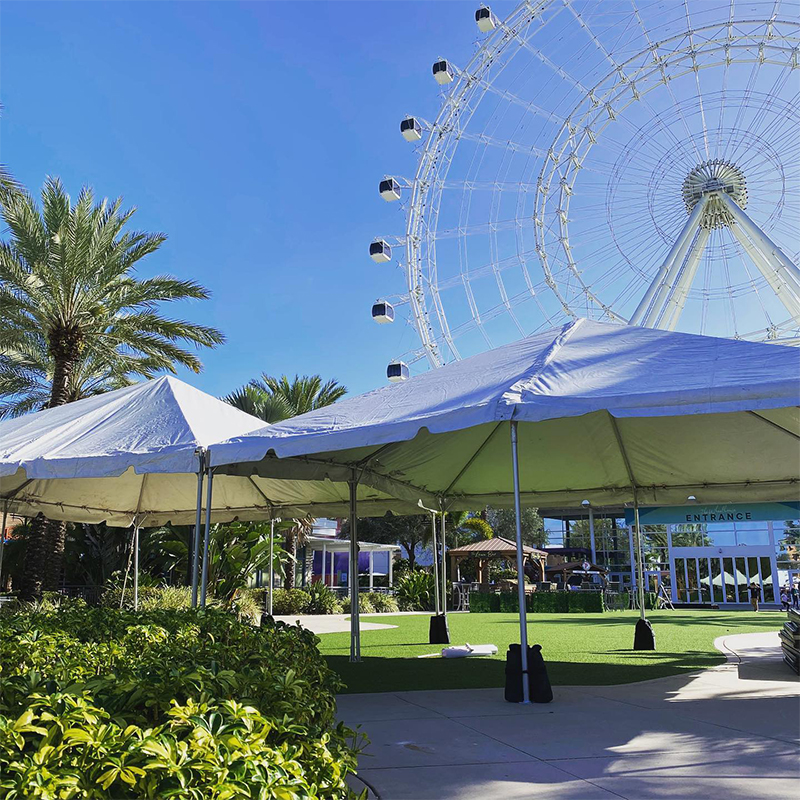
Not all tents are created equal. Frame tents and pole tents each have their benefits, but their suitability depends on your event type and location. For example, frame tents offer a versatile option for uneven ground, while pole tents create an elegant appearance for larger gatherings. To explore more about renting tents tailored to specific needs, check out our tent rental options.
Weather-Related Precautions
Weather is one of the most unpredictable factors during outdoor events. Tents should be equipped to handle strong winds, rain, and even temperature fluctuations. Features like sidewalls, additional anchoring, and climate control systems can make a significant difference. For festivals where weather unpredictability is a concern, discover how professional setups can make events safer by visiting our guide to festival tents.
Best Practices for Secure Tent Installation
Proper installation is the backbone of a safe event structure. Skipping steps or using low-quality materials can lead to disastrous outcomes. Working with experienced professionals ensures that every detail, from ground anchors to overhead stability, is handled with care.
- Anchor Systems: Secure anchoring prevents tents from shifting or collapsing during high winds.
- Site Assessment: Professional teams evaluate your site to avoid potential hazards like loose soil or overhead obstructions.
- Load Distribution: Distributing weight evenly across the structure ensures long-term stability.
When planning for bad weather, learning about specific tent preparation techniques can make all the difference. Check out this article on preparing your event tent for bad weather to stay ahead of unpredictable conditions.
Why Professional Rentals Matter
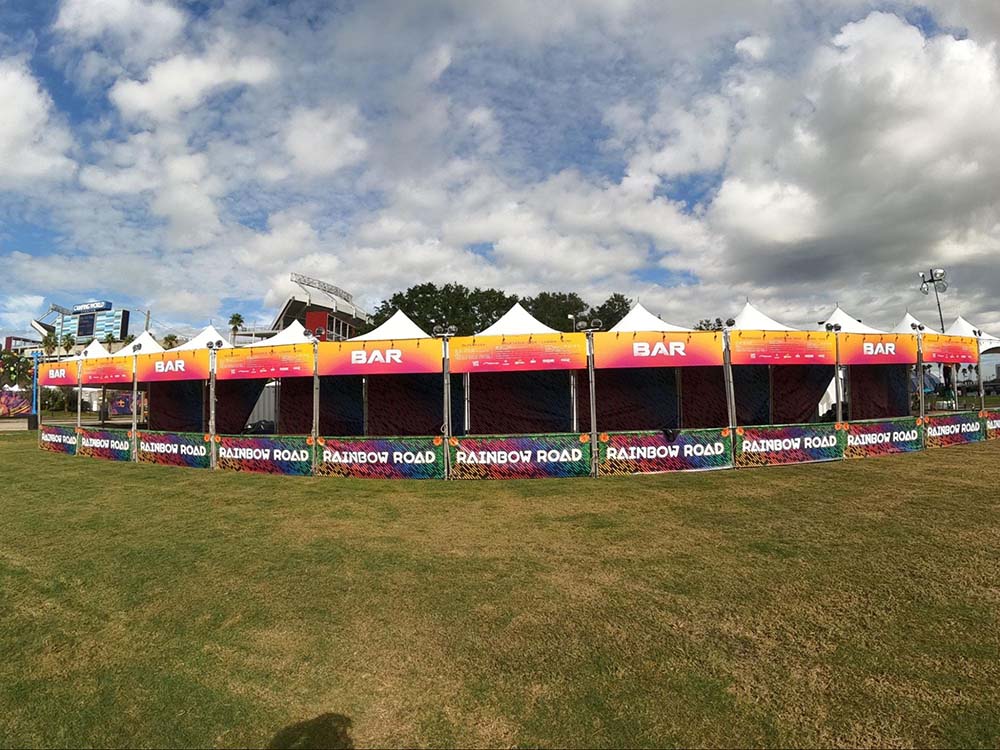
Large-scale events require expertise and reliable equipment. Opting for professional rentals gives you access to top-tier materials and expert guidance, removing much of the guesswork from planning. For concerts, for instance, rental services provide tailored solutions that cater to crowd size and venue layout. To learn more about this, explore our tent options for concerts.
Cost-Effective Safety Measures
While safety should never be compromised, sticking to a budget is also important. Rentals offer a cost-effective alternative to purchasing equipment outright. They also come with additional perks like setup and teardown services, saving time and effort.
Customizing Tents for Specific Needs
Whether it’s adding sidewalls for privacy or incorporating lighting for visibility, customization plays a key role in making your event both safe and memorable. Discuss your specific requirements with your rental provider to get the best results. If you’re hosting a corporate gathering, consider how a tent can enhance a corporate event while keeping safety in focus.
Work with a Trusted Rental Team
Planning a large event doesn’t have to be stressful. By working with a trusted local rental team, you can ensure that your temporary structures are secure, stable, and perfectly suited for your occasion.
For informational purposes only.